Current Photos – Toxic Mold Infested Jefferson Lakes Apartments – Mold Growth on Inside of Windows – Known & Approved for Leasing – Riverstone Residential – Louisiana Housing Finance Agency

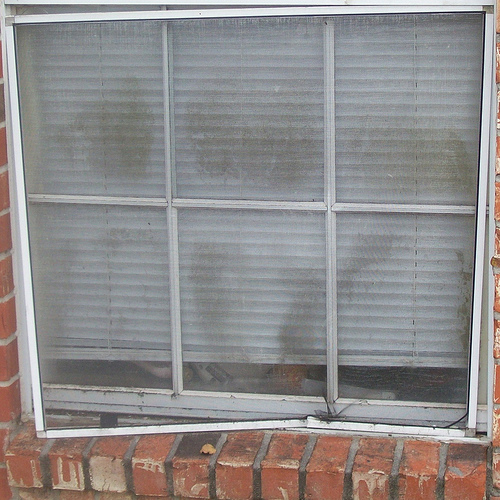
An anonymous tenant sent these photos of mold growth on the inside of the windows of these extremely infested apartments.  Mold has been growing in the HAVC system, walls, etc. for years.  One photo is of mold growth in the apartment leasesd to us four years ago (#2907).  There is a picture I took of the mold growth on the patio window when we where there on this page – photos of mold in apt.  The current photo is of the window in an upstairs bathroom. That bedroom was the room where we first noticed a moldy smell.  This is new mold growth since we were there.  I had noticed a black mold growth and also a white to yellow color on the inside of apartment windows when out walking the dog.  Until this place, I have never seen mold growing on the inside window panes and it still remains the only place I have seen this.  

Since mold inspection reports and obvious mold infestation are ignored, Riverstone Residential and the Louisiana Housing Finance Agency welcomes anyone who would like to inquire about leasing one of these apartments – however you will not be informed of the dangerous and serious health consequences that can occur once exposed to the 24/7 inhalation of toxins via the mold infested HVAC system. 

Before publishing these photos, I had to verify that the mold was actually growing on the inside and not on the window screen or the outside of the windows as it may appear.  Windows were viewed – some as close as a few inches and if no srceen – touched – IT IS INSIDE.

Mold inspection reports show mold in many units (including HVAC). Windows like these are common at the complex.

Photos

The window screens and the outside of the windows in the first two photos have nothing on them – all the mold growth is on the inside. The third window had no screen. The last photo is the window of unit 2907.  A white-yellowish mold is growing around the edge.

med-2

med-1

no-screen-med

100_0399

Posted in Environmental Health Threats, Health - Medical - Science, Louisiana Housing Finance Agency, Mold and Politics, Mold Litigation, Photos, Riverstone Residential | Tagged , , , , , , , , , , , , , , , , , , , , | Leave a comment

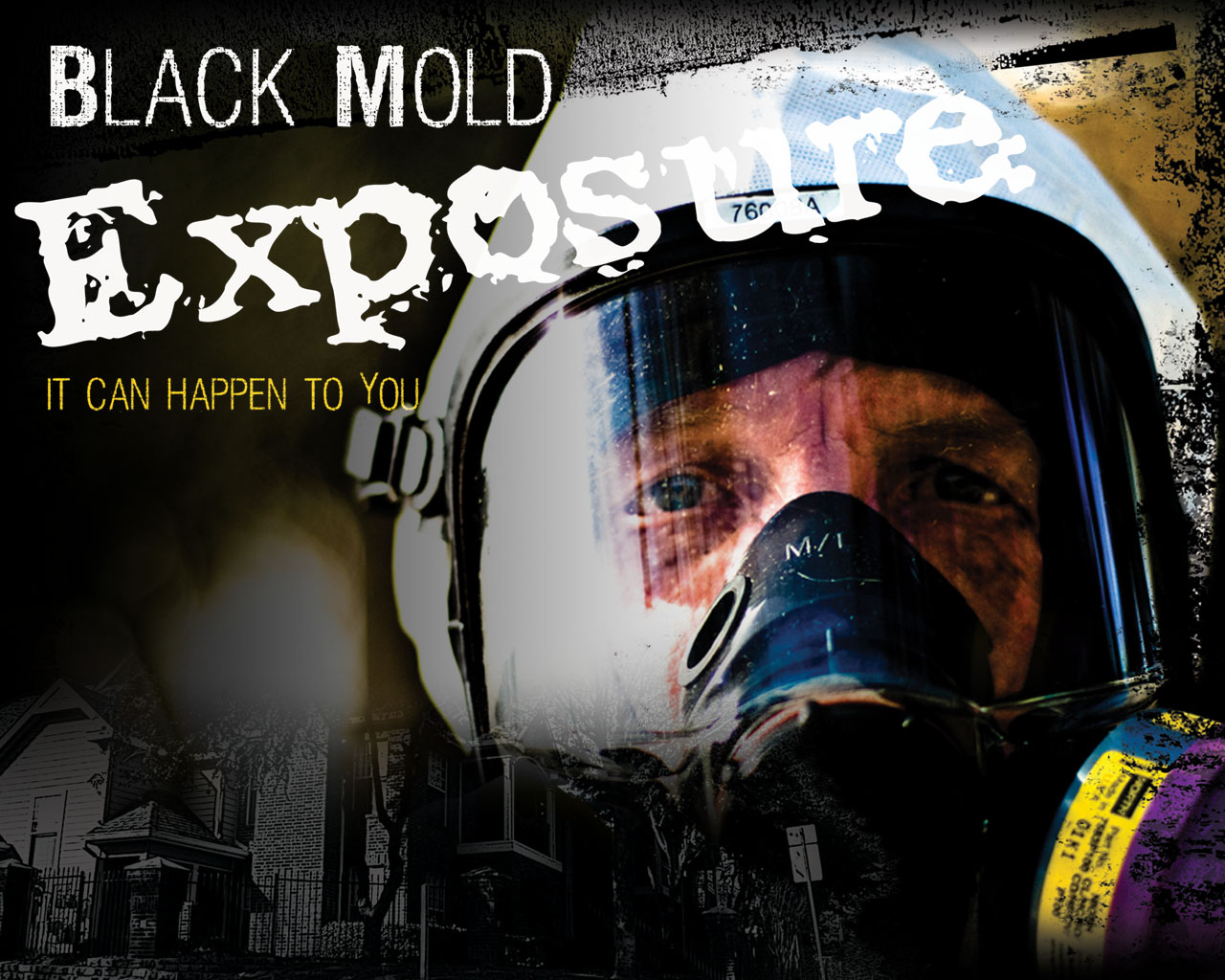
Black Mold Exposure Documentary Trailer

wallpaper1280x1024
Black Mold Exposure Movie Trailer

For more information – blackmoldexposuremovie.com

Posted in Environmental Health Threats, Health - Medical - Science, Mold and Politics, Toxic Mold | Tagged , , , , , , , , , | 1 Comment

Law Students Think Civil Justice System is Important

You couldn’t really tell if the unemployment figures released recently were worrying the 40 or so fresh-faced New York City area law students attending the Alliance for Justice’s luncheon.  Maybe it was the chance to learn more about the Weth v. Levine case – a case that has the potential to wipe out our access to our court system or maybe it was the offer of free pizza (once a very cheap eat is becoming a far pricier nosh in this poor economy).  Either way, dozens of students lined the halls waiting to get into the auditorium even before the start of the event.

Prior to viewing the film, Access Denied: The Fight for Corporate Accountability, Joanne Doroshow of the CJ&D gave a brief introduction to the important issues the film presents.  Doroshow recalled her own personal experiences with the Karen Silkwood case, one of the first civil cases that set the stage for the current pre-emption struggle.

But the film itself put real faces to what would happen if the pharmaceutical industry was given complete immunity.  Donald Hickey, a retired pastor from Kansas pulls down the collar of his shirt to reveal his defibrillator implanted under his skin.  In 2007, that defibrillator malfunctioned and shocked him over 30 times.  But because of Riegel v. Medtronic he cannot sue the device manufacturer.  The film also shows Dennis Quaid testifying before Congress telling the story of the near tragedy that occurred shortly after the birth of his twins who could have both died after being given dangerous amounts of the wrong drug.  But perhaps the most compelling story is of course Diana Levine, whose case Wyeth v. Levine currently rests with the U.S. Supreme Court.  An engaging and charismatic former professional musician, she lost part of her arm due to complications after she was injected with a drug to treat a migraine. 

After the film the students asked many detailed questions, and even lingered long after the Q&A session had ended enthusiastic to learn more and to get involved in protecting our rights to the civil justice system.  Copies of the film are available though Alliance for Justice, email them about hosting a screening of the film.

thepoptort.com 

Posted in Civil Justice, Politics | Tagged , , | Leave a comment

Photos of mold in Jefferson Lakes Apt. #2907


See – Photos of Mold in Apartment

Posted in Environmental Health Threats, Louisiana Housing Finance Agency, Mold and Politics, Mold Litigation, Photos, Riverstone Residential, Toxic Mold | Tagged , , , , , , , , , , , , , , , , | Leave a comment

Katrina flood homes still dangerous – study conducted at LSU

Thursday, February 5th, 2009

A study conducted at the Louisiana State University (LSU) reveals that those homes which were flooded in the Hurricane Katrina disaster may contain dangerous levels of contaminants, including toxins from aerosols and released in gas and vapor form, reports ScienceDaily.  Because of this, reports the team, there is a concern that Katrina’s first responders, area residents, and others exposed to the flooded, toxic homes could suffer long-lasting and dangerously serious health risks.  The team noted that these results are applicable to other flooding events, as well.

Three members of the LSU’s Department of Chemical Engineering—Nicholas Ashley, Louis Thibodeaux, and Kalliat Valsaraj, created a contaminants model that included an explanation of how inhalable toxins could contaminate without there having to be any direct contact with the contamination source, said Science Daily.  Up until now, the Environmental Protection Agency (EPA) and other agencies have looked at outdoor sediment, said Ashley, who added, “We proposed that the material that gets inside the flooded homes could be different, and possibly more highly contaminated, than that deposited outside.  It turns out that we were right.”

Thibodeaux, a Jesse Coates Professor of Chemical Engineering, added, “As researchers from Louisiana, impacted by a major natural disaster, we felt obligated to understand the environmental chemodynamic effects in the state and develop mathematical means of forecasting concentration levels in future occurrences.  This research was undertaken to fully explore what likely pathways of exposure a major catastrophe such as Hurricane Katrina might take in the future,” quoted Science Daily.

“This is an excellent and important study by one of the top research teams in the nation. It will help us better prepare first responders for the additional risks that may be posed by such events,” said Domenico Grasso.  Grasso is editor-in-chief and dean and professor in the College of Engineering and Mathematical Sciences at the University of Vermont-Burlington, reported ScienceDaily.

Times of the Internet pointed out that in addition to the dangerous gases and aerosols, the researchers noted that Katrina-flood homes may also contain dangerous levels of mold, adding that the toxins could have exposed those at risk to dangerous levels of the contaminants without any direct skin contact.

The team analyzed at and described the various types of volatile and semi-volatile organic pollutants that might be involved in the Hurricane Katrina contamination, including hazardous chemicals occurring such as those which can be inhaled, those present in mold, and those released from spores, said Times of the Internet.

According to Times of the Internet, the team found that these recently identified toxins, which are present in the air and can contaminate by inhalation, present dangerous health risks to anyone who is just merely standing within or walking through a contaminated home and breathing normally.  These contaminates present a health hazard without any skin contact, with mold festering on and sediment covering surfaces in the affected homes.

The study is scheduled to be published in the April issue of the journal Environmental Engineering Science.

newsinferno.com

Posted in Environmental Health Threats, Toxic Mold | Tagged , , , , , , , , , | Leave a comment